

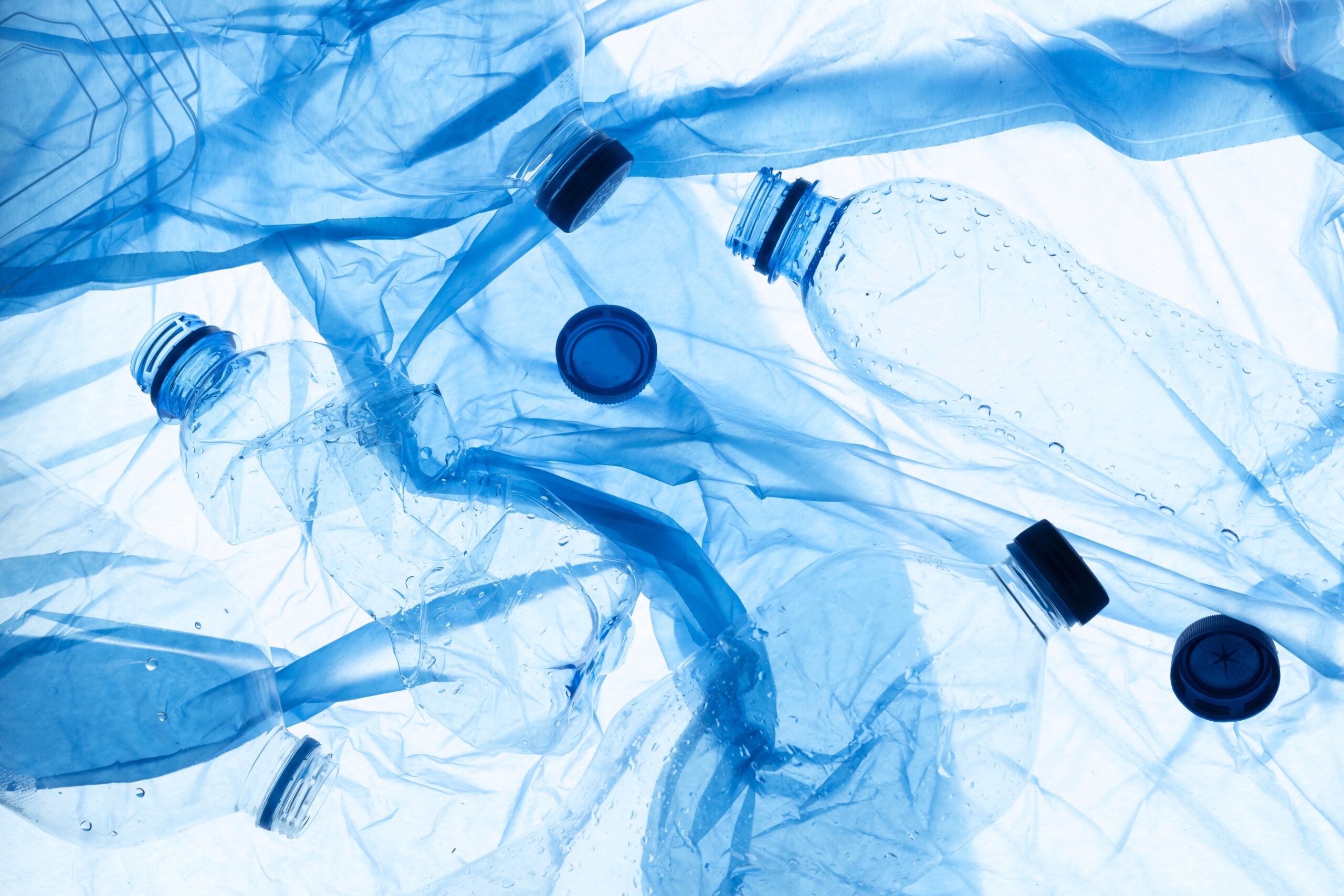
Your company announces a new sustainability goal: reduce single-use plastic bottles across the workplace.
The team is excited. Procurement starts researching alternatives. Facilities looks into filtered water dispensers. Someone suggests reusable bottles for employees.
Everything sounds promising.
But then the finance director asks a simple question.
“How many plastic water bottles are we using right now?”
Nobody has an exact answer.
The office knows how frequently water gets delivered. Reception knows how many bottles are prepared for meetings. Facilities knows where the boxes of water are stored. But nobody has connected those details into one reliable number.
This is where many sustainability plans lose direction.
Before investing in sustainable water solutions for business UAE, companies need to understand their starting point.
A water baseline gives businesses something measurable. It shows current bottle consumption, identifies unnecessary waste and helps teams evaluate whether a new water system is genuinely making a difference.
Sprudel helps UAE businesses move towards on-site filtered water solutions that reduce dependence on single-use bottled water while supporting daily workplace operations.
To explore a practical starting point, visit Sprudel or call +971 4 546 3988.
You Cannot Measure Progress Without Knowing Where You Started
Imagine two Dubai offices.
Office A announces that it has reduced plastic bottle purchases by 5,000 bottles.
Office B announces a 40% reduction in plastic bottle consumption.
Both results sound positive.
But without knowing their original consumption, reporting periods and measurement methods, it is difficult to understand the actual progress.
A water baseline solves this problem.
It records how much bottled water a business uses during a defined period, before introducing changes.
For a commercial workplace, this should include bottled water purchased, consumed and kept in stock.
It should also consider the number of employees, visitors and operating days.
Once this information is recorded, the business can set realistic targets and measure results using the same method.
Start With the Numbers You Already Have
You do not need an expensive sustainability audit to begin.
Your procurement records probably contain much of the information.
Start by reviewing bottled water invoices from the previous three months.
Record how many bottles were purchased, their sizes and which locations received them.
Then speak with facilities and reception.
Are extra bottles purchased for meetings? Does the office keep emergency stock? Are there separate suppliers for executive areas or events?
These details matter because the main supplier invoice may not capture every bottle entering the workplace.
For businesses operating multiple branches across Dubai, Abu Dhabi or Sharjah, keep separate records for each location.
A clear baseline starts with accurate purchasing information, not estimates presented as facts.
The Difference Between Bottles Purchased and Bottles Used
This is one of the most important distinctions.
Suppose your office purchases 1,200 bottles during a month.
That does not necessarily mean employees and visitors consumed 1,200 bottles.
Some may remain unopened in storage.
Others may have been purchased during the previous month.
A more accurate calculation is:
Opening bottle stock + bottles purchased – closing bottle stock = bottles used or otherwise removed from stock
Record damaged, discarded or transferred bottles separately where possible.
This helps prevent procurement teams from reporting purchasing changes as consumption reductions.
If the business is serious about plastic reduction, its measurement process should be consistent from the beginning.
A Simple UAE Office Baseline Example
Consider a hypothetical Dubai office using an average of 40 single-use plastic water bottles per working day.
Assume the office operates 22 days per month.
That equals approximately 880 bottles monthly.
Across twelve similar months, the estimated annual consumption would be 10,560 bottles.
Now suppose the empty plastic bottle itself weighs 12 grams.
That would represent approximately 126.7 kilograms of bottle plastic annually, excluding caps, labels and other packaging.
These are illustrative figures, not typical UAE office averages.
The actual result depends on bottle size, packaging weight, employee attendance and visitor demand.
The important point is that the office now has a measurable starting position.
If it introduces filtered water and reduces bottle consumption, it can compare the new results against this baseline.
For businesses exploring a practical alternative, contact Sprudel at hello@sprudel.life.
Find Out Where the Bottles Are Actually Going
A total bottle count is useful, but it does not explain behaviour.
Divide your workplace into water-use areas.
Staff pantries: Are employees taking individual bottles throughout the day, or are they already comfortable refilling reusable bottles?
Meeting rooms: How many bottles are prepared for visitors? How many remain unopened or partly used afterwards?
Reception: Is bottled water offered to every visitor, regardless of whether they want it?
Training areas: Do workshops and company events create unusually high bottled water demand?
Shared spaces: Are there accessible refill points, or is bottled water the only convenient option?
These observations help businesses understand where change would have the greatest impact.
A company may discover that staff already prefer reusable bottles, while meeting rooms account for much of its single-use packaging.
That insight should influence the solution it chooses.
Set a Target That Reflects Real Business Activity
A reduction target should be ambitious but measurable.
For example, a company might aim to reduce routine single-use water bottle purchases by 50% over six months.
However, comparing total bottle counts alone can be misleading.
If the office doubles its workforce during that period, demand may increase even as refill habits improve.
Consider tracking bottles used per 100 employee and visitor attendances alongside total bottle consumption.
This provides a clearer view of changing behaviour.
For companies with several branches, the same measurement approach should be used across locations.
A realistic sustainability goal should account for actual business activity, not just produce an attractive percentage.
Where Sprudel Fits Into Your Plastic Reduction Plan
Once a business understands its water baseline, it can explore alternatives based on the areas generating the most bottled water use.
Sprudel Work supports offices, staff pantries, boardrooms, meeting rooms and coworking spaces with on-site filtered water solutions.
For client-facing offices, still and sparkling water options can help reduce reliance on individually packaged bottles during meetings.
Sprudel Serve supports restaurants, cafés, bars and hospitality venues where filtered still and sparkling water can be incorporated into service.
Sprudel Life supports gyms, wellness facilities and active shared spaces where convenient refill access matters.
For hotels, the Award-Winning Sprudel Closed Loop Bottling System supports on-site water bottling with reusable glass bottles.
The right solution depends on where bottled water is currently used and how people interact with the space.
Explore Sprudel’s commercial water solutions to understand the available options.
Do Not Let a Poorly Planned System Ruin Your Target
A business can install a filtered water dispenser and still fail to reduce bottled water consumption.
This usually happens when the replacement does not meet everyday expectations.
Choosing only by price may result in equipment that is unsuitable for the location.
Ignoring footfall can leave a dispenser struggling during busy periods.
Weak chilled output may encourage employees to return to bottled water, particularly in the UAE climate.
Poor tap placement can make refilling inconvenient.
Without scheduled maintenance, system performance and user confidence may decline.
Weak after-sales support can also lead facilities teams to maintain bottled water as a permanent backup.
Before choosing a system, check capacity, chilled output, installation feasibility, maintenance responsibilities and service arrangements.
A sustainability investment only delivers meaningful results when people actually use it.
Measure What Changes After Installation
Once the new system is operating, continue collecting data.
Compare bottled water purchases and consumption against a similar baseline period.
Track whether the office is still ordering bottles for meetings or special events.
Ask employees whether the refill points are convenient and whether chilled water is consistently available.
Review maintenance records and any equipment interruptions.
For a stronger assessment, compare results after 30, 60 and 90 days, adjusting for differences in attendance or special events.
Report the reduction in single-use bottles separately from estimated plastic weight.
Avoid claiming carbon savings or environmental benefits that have not been calculated using an appropriate method.
This creates more credible sustainability reporting.
Frequently Asked Questions
Why do UAE businesses need a plastic water baseline?
A baseline shows how many single-use water bottles a business uses before introducing changes. It allows procurement and sustainability teams to measure actual progress.
How can an office calculate its bottled water consumption?
Review supplier invoices, record opening and closing stock, and track bottles used across pantries, reception, meetings and events.
What are sustainable water solutions for businesses in the UAE?
They include on-site filtered water dispensers, mains-fed taps, reusable bottle refill stations and closed-loop bottling systems designed to reduce reliance on single-use bottled water.
Can filtered water systems help reduce office plastic waste?
Yes. When correctly sized, conveniently placed and properly maintained, they can reduce the need for individually packaged drinking water.
How can Sprudel help?
Sprudel provides on-site filtered water solutions for offices, hotels, restaurants, gyms and shared commercial environments, including installation and ongoing maintenance services.
Turn Your Plastic Reduction Goal Into Measurable Progress
A sustainability target should be more than a statement in an annual report.
It should be supported by numbers your business understands and can track.
Start with the bottles you currently purchase. Understand where they are used. Measure consumption against actual workplace activity. Then choose a water solution that addresses the biggest sources of single-use plastic.
The best sustainable water solutions for business UAE are not simply the ones that look environmentally friendly.
They are the ones that fit daily operations and help businesses demonstrate meaningful, measurable reductions.
Sprudel helps UAE businesses move towards on-site filtered water systems designed around real usage, convenience and long-term support.
Ready to understand your current bottled water routine and explore a smarter alternative?
Call +971 4 546 3988, email hello@sprudel.life, or visit https://sprudel.life/ to discuss your business requirements.