Home Microplastics and PFAS
Modern drinking water systems were originally designed to manage bacteria, sediment and chlorine. Today, trace contaminants from plastics, industrial chemistry and consumer products are increasingly detected in water supplies around the world. Two of the most discussed categories are microplastics and PFAS.
Microplastics are small plastic fragments less than 5 mm in size. They originate from the breakdown of larger plastic products, synthetic textiles, packaging and industrial materials. In drinking water, microplastics are typically microscopic particles not visible to the eye.
Even in desalinated systems like the UAE, distribution pipelines, storage tanks and building level plumbing can contribute particulate matter, including microplastics. Microplastics are physical particles, not dissolved chemicals.
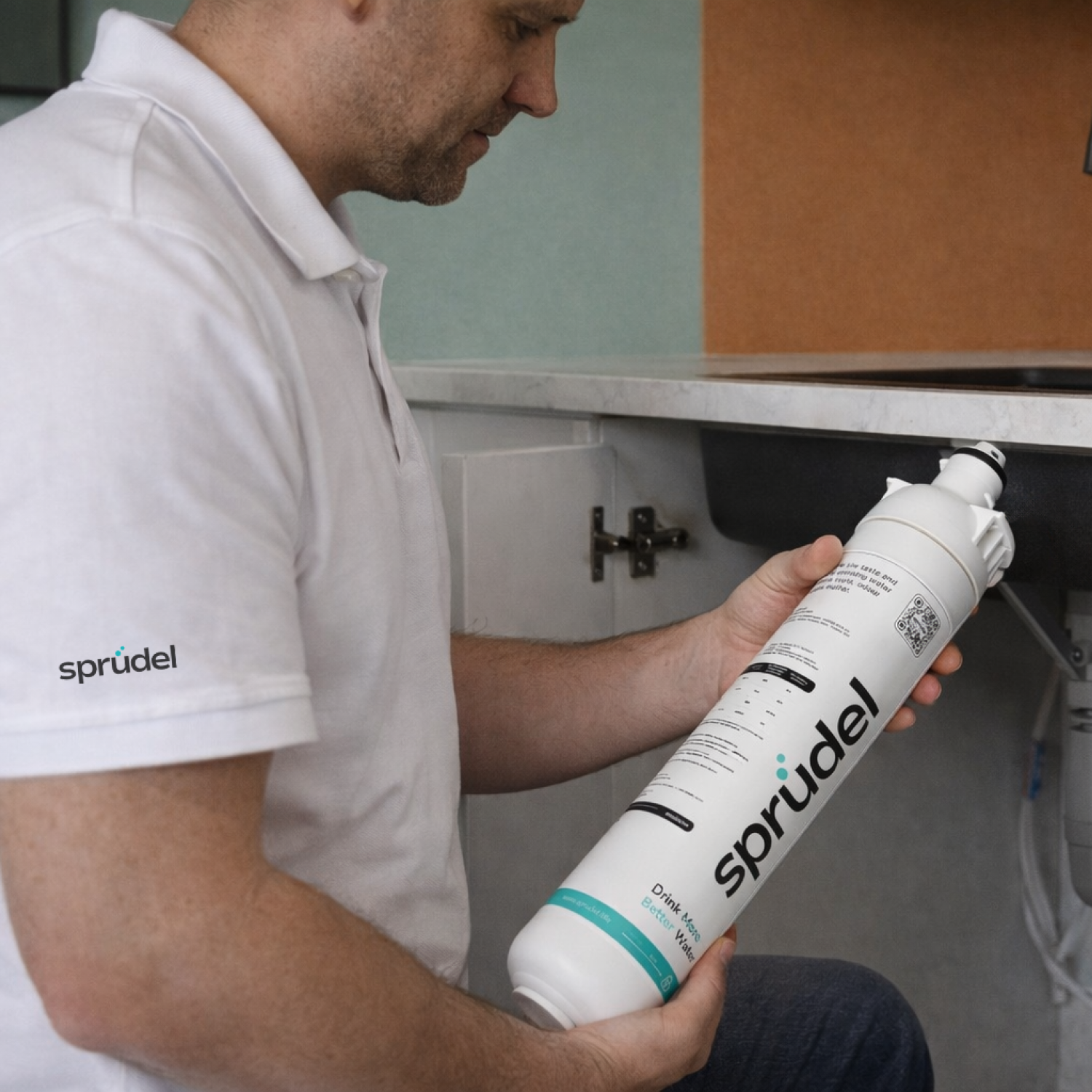
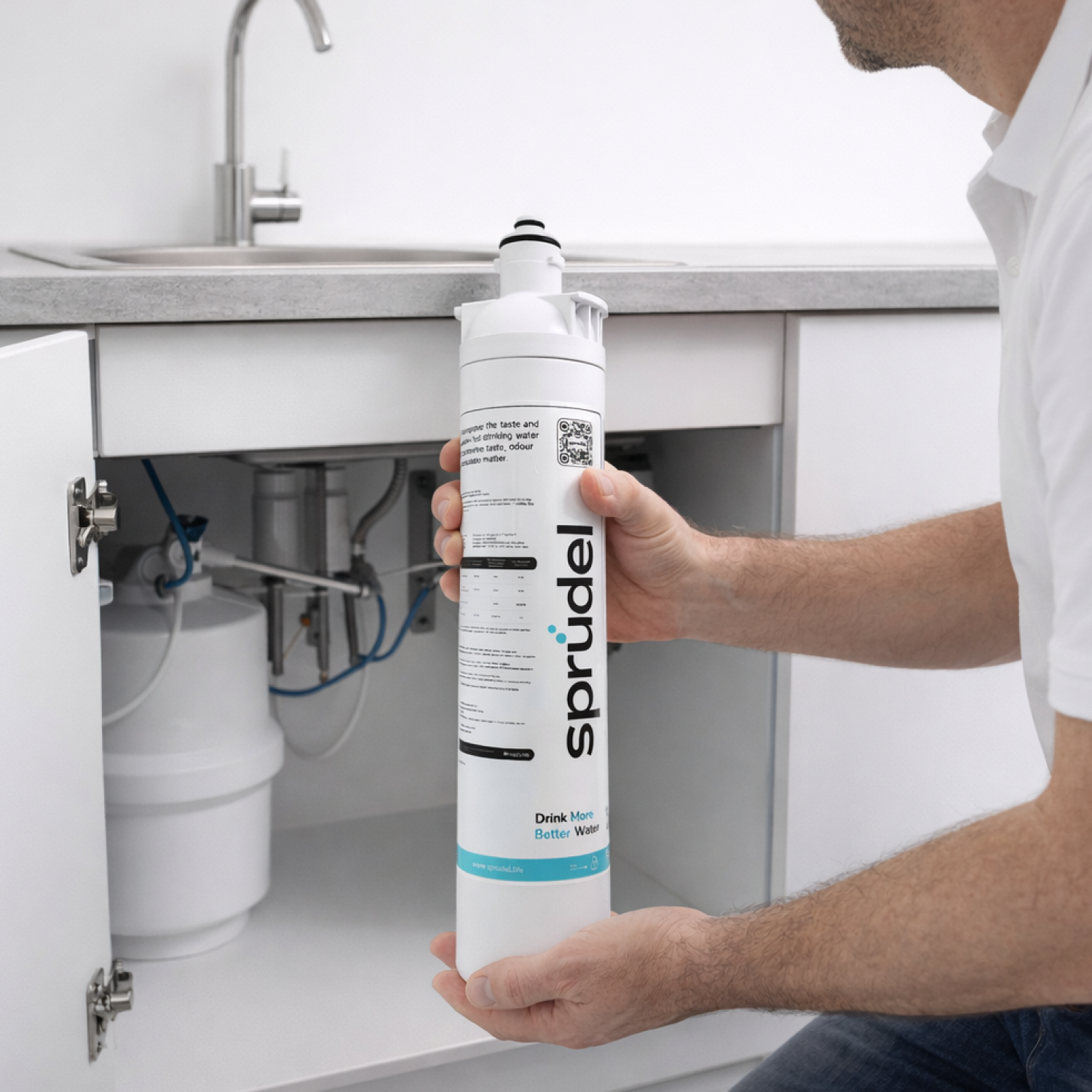
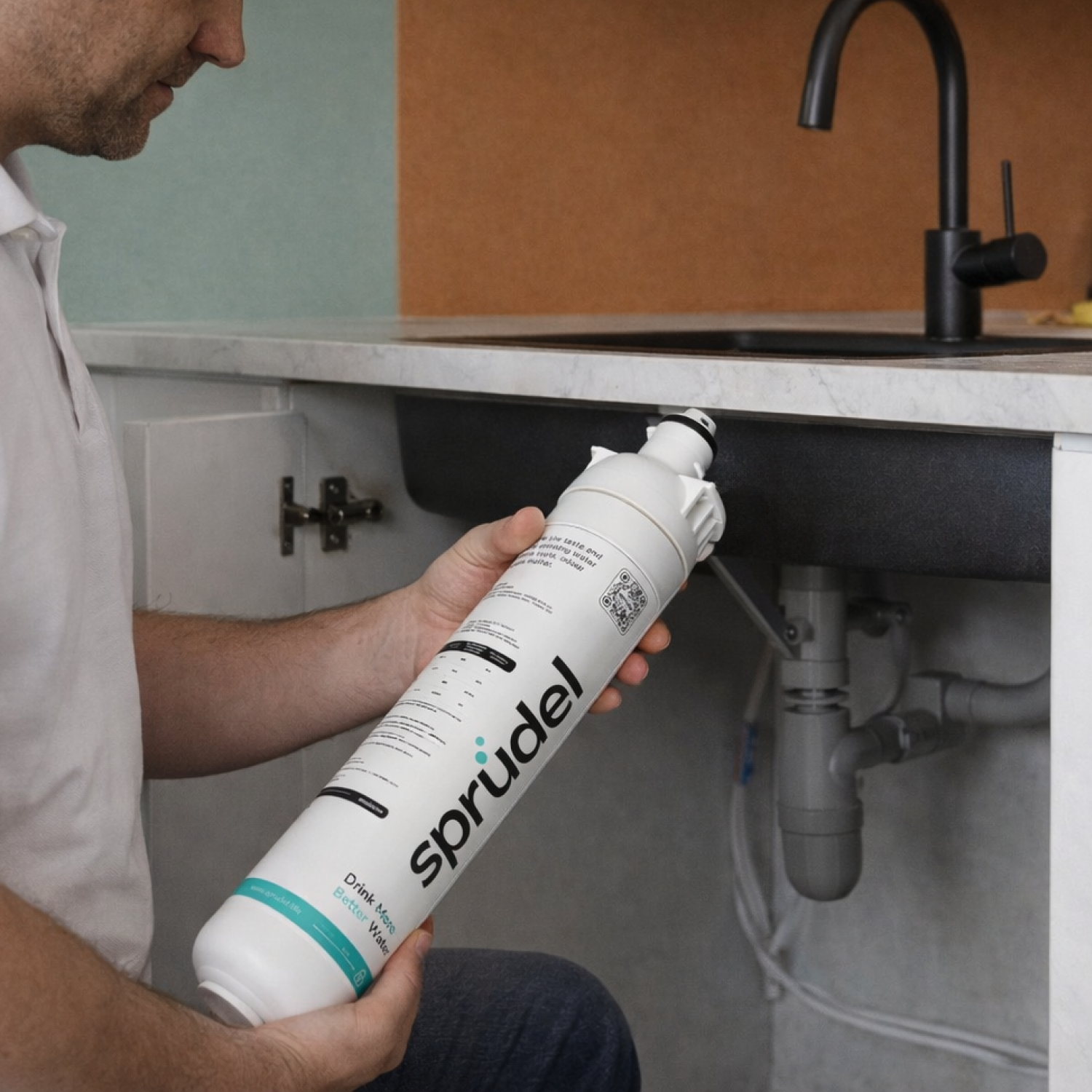
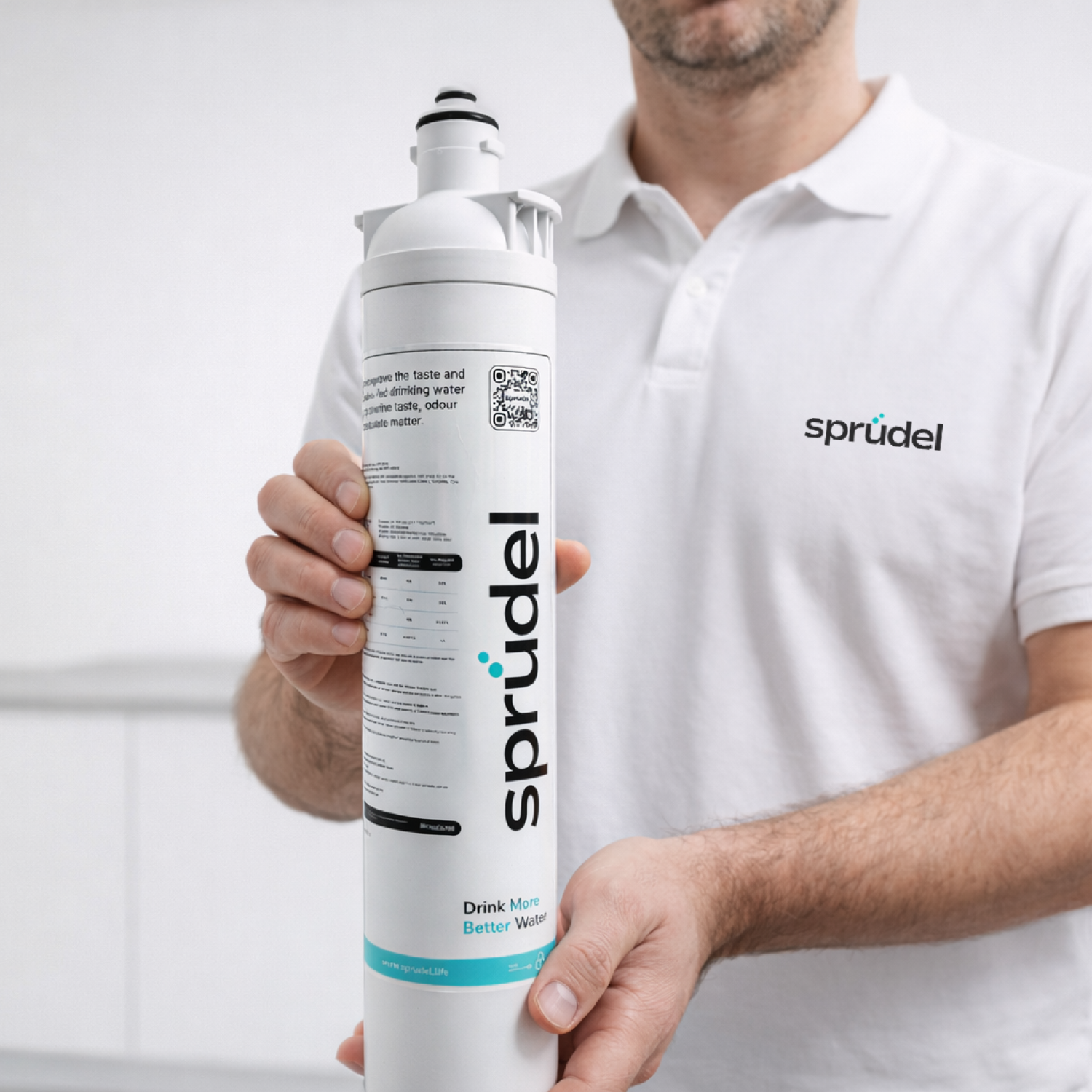
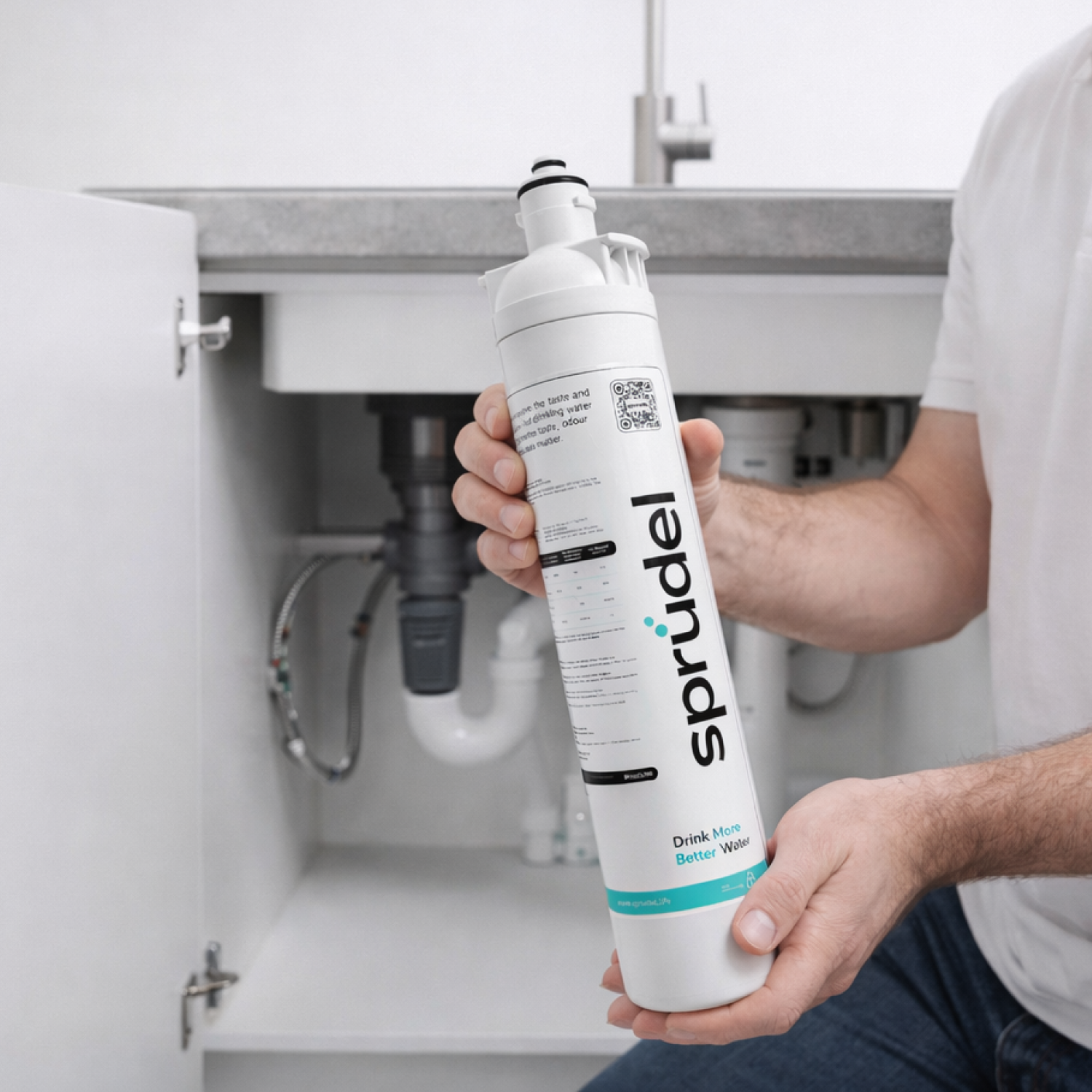
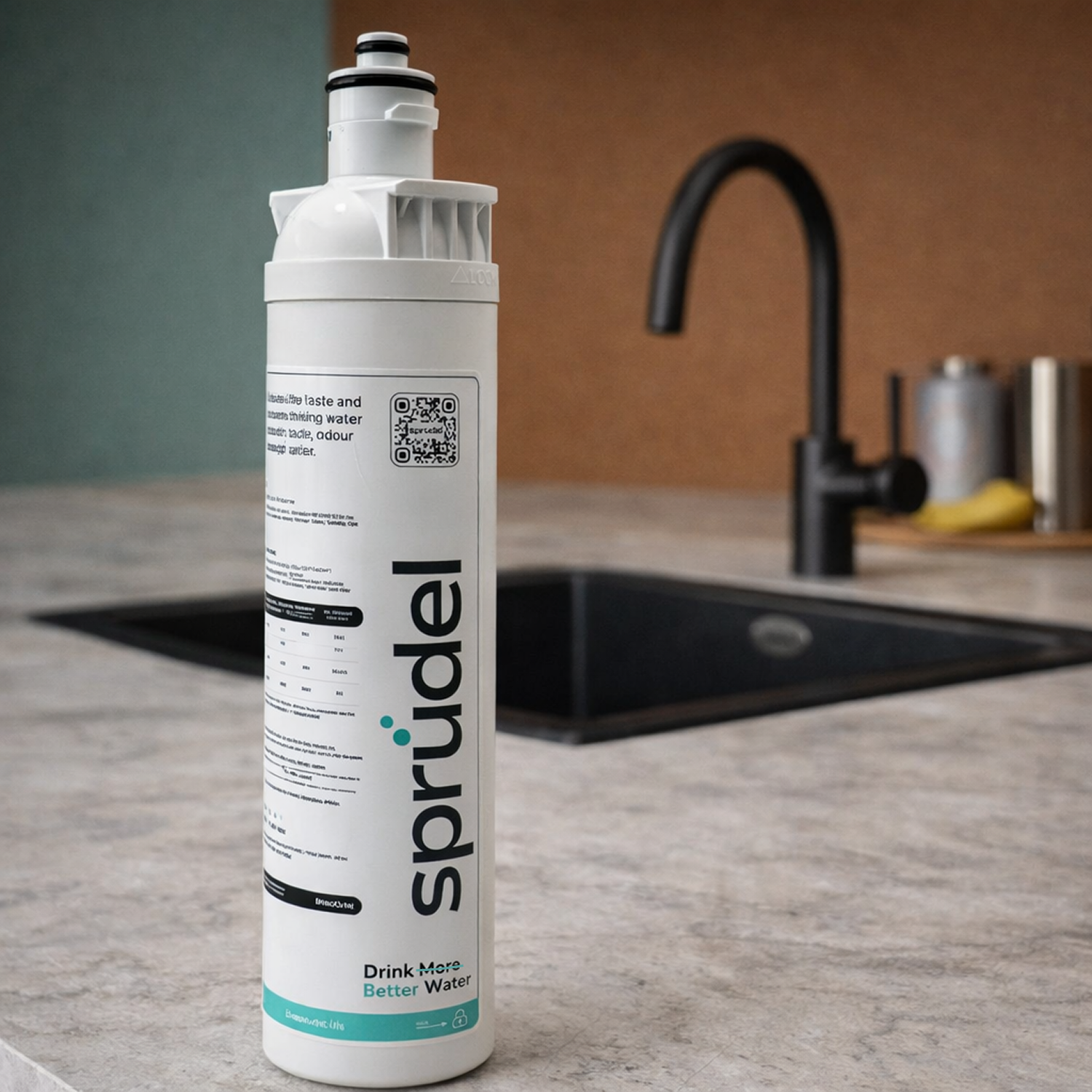
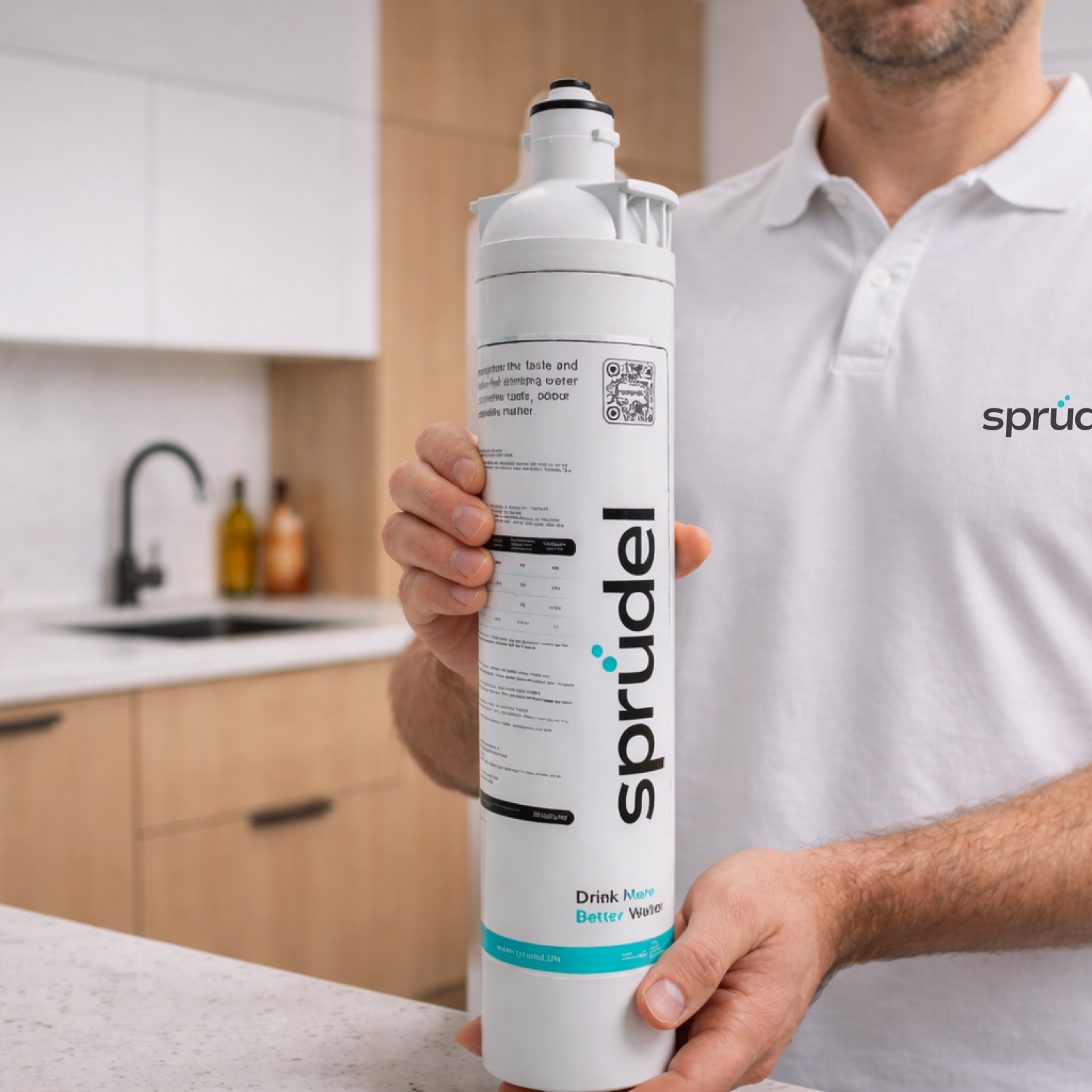
Microplastics are reduced through fine particulate filtration. Certified filtration systems tested under recognised protocols can reduce 99 percent or more of defined particle size ranges. Sprudel systems use certified filtration technologies designed to reduce microplastics at the point of use.
PFAS stands for Per and polyfluoroalkyl substances. They are a large family of man made chemicals developed for heat resistance, oil resistance, water repellency and chemical stability. Because of their strong carbon fluorine bonds, PFAS do not easily break down in the environment.
PFAS have historically been used in firefighting foams, non stick coatings, industrial processes, packaging and waterproof materials. In desalination based systems, PFAS are not generated by seawater. If present, they typically originate from industrial legacy sites, distribution infrastructure or building level components.
Advances in laboratory testing now measure contaminants at extremely low concentrations, often in nanograms per litre. Regulatory frameworks globally are evolving from focusing on individual PFAS compounds to broader grouped or Total PFAS approaches.
PFAS are dissolved chemical compounds requiring specialised adsorption media, typically high performance carbon block filtration, tested under strict certification standards. Sprudel offers advanced cartridge options designed to reduce PFOA, PFOS and Total PFAS depending on system configuration.
The UAE relies primarily on desalinated seawater. Desalination processes remove the vast majority of contaminants at the plant level. Point of use filtration is therefore about refining taste, improving clarity and providing additional assurance against emerging contaminants.
Sprudel systems use cartridges certified under internationally recognised standards, including NSF ANSI 52 for aesthetic effects, NSF ANSI 53 for health related contaminants including particulate reduction and PFAS protocols, and NSF ANSI 401 for emerging chemical contaminants. Performance depends on system configuration and cartridge selection.

Water quality can change between treatment plant and glass due to distribution networks, storage systems and building infrastructure. Point of use filtration gives control at the final stage where water is consumed.
Sprudel systems are designed to refine water at the point of use, reducing microplastics and PFAS while enhancing taste and clarity. Better water is defined not only by its source, but by what stays out.